


Main Reasons of Gearbox Failure and How to Prevent Them
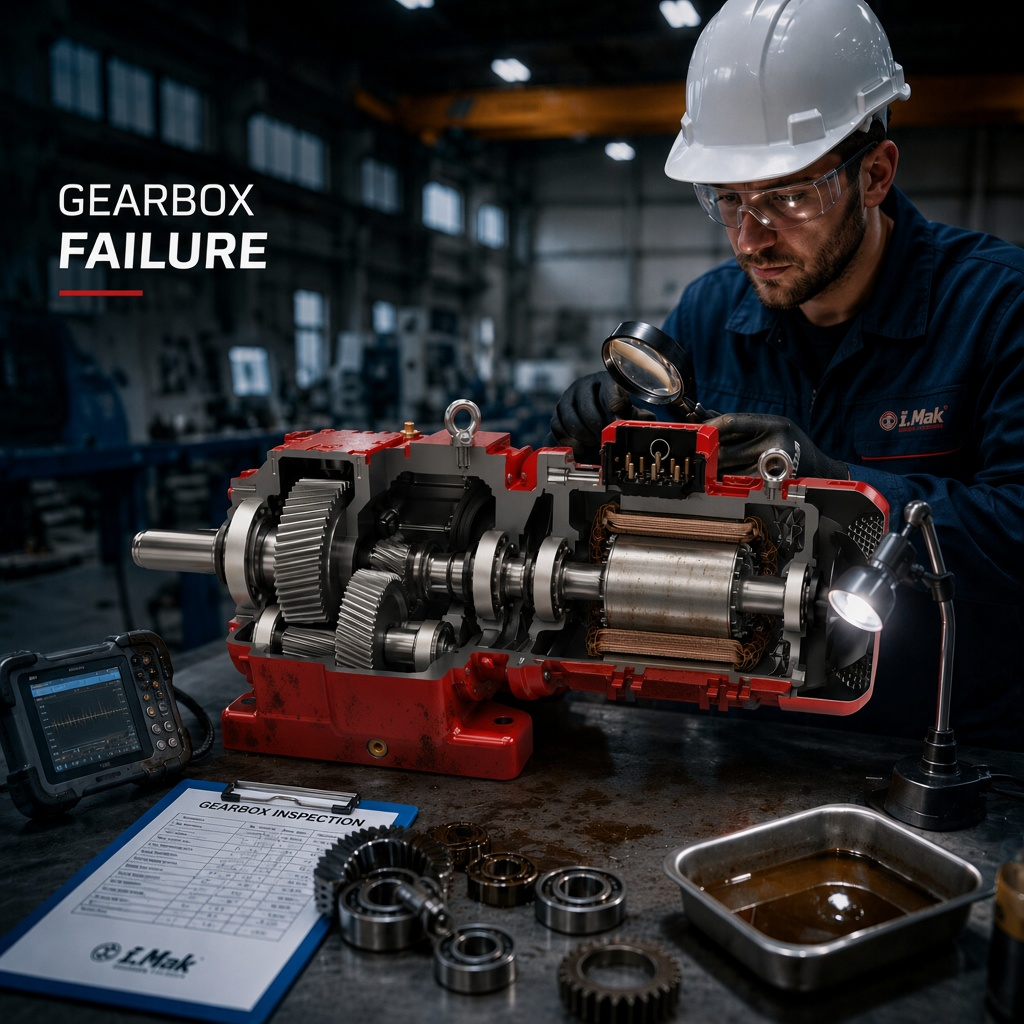
Gearboxes are among the most critical components in industrial power transmission systems. Whether used in conveyors, cranes, mixers, mining equipment, or manufacturing lines, a gearbox is expected to operate reliably under demanding conditions for many years.
However, gearbox failures can still occur when operating conditions, maintenance practices, or equipment selection do not match application requirements. Understanding the most common causes of gearbox failure is the first step toward improving equipment reliability, reducing downtime, and extending service life.
1. Insufficient or Improper Lubrication
Lubrication plays a vital role in reducing friction, dissipating heat, and protecting internal gearbox components from wear.
Using the wrong lubricant grade, operating with insufficient oil levels, or extending oil change intervals beyond recommended limits can lead to accelerated gear and bearing wear. In severe cases, lubrication issues may result in overheating and premature gearbox failure.
Prevention Tips
- Follow the manufacturer’s lubrication recommendations.
- Monitor oil levels regularly.
- Replace lubricant according to maintenance schedules.
- Use lubricants suitable for operating temperatures and load conditions.
2. Overloading and Shock Loads
Every gearbox is designed for a specific torque range and service factor. When equipment is subjected to loads beyond its design capacity, excessive stress is transferred to gears, shafts, and bearings.
Frequent overload conditions or sudden shock loads can cause tooth damage, shaft deformation, or bearing failure over time.
Prevention Tips
- Select gearbox sizes according to actual operating conditions.
- Consider peak loads during system design.
- Use appropriate service factors for demanding applications.
- Monitor equipment for abnormal operating conditions.
3. Misalignment
Improper alignment between the gearbox, motor, and driven equipment can generate excessive vibration and uneven load distribution.
Even small alignment errors can increase bearing loads and accelerate wear on internal components. Over time, this can reduce gearbox efficiency and shorten operational life.
Prevention Tips
- Verify alignment during installation.
- Inspect couplings regularly.
- Recheck alignment after maintenance activities.
- Use precision alignment tools whenever possible.
4. Contamination
Dust, moisture, metal particles, and other contaminants can significantly affect gearbox performance.
Contaminated lubricant loses its protective properties and may accelerate wear on gears and bearings. Moisture ingress can also lead to corrosion of internal components.
Prevention Tips
- Maintain effective sealing systems.
- Inspect breather plugs and seals regularly.
- Store lubricants properly.
- Perform periodic oil analysis where appropriate.
5. Excessive Heat
Heat is one of the most common contributors to gearbox deterioration.
High operating temperatures can reduce lubricant effectiveness, damage seals, and increase component wear rates. Excessive heat may result from overloading, poor lubrication, inadequate ventilation, or harsh environmental conditions.
Prevention Tips
- Monitor operating temperatures.
- Ensure adequate cooling and airflow.
- Address lubrication issues promptly.
- Investigate unusual temperature increases immediately.
6. Bearing Failures
Bearings support rotating components and play a critical role in gearbox operation.
Improper lubrication, contamination, overload conditions, or misalignment can all contribute to premature bearing failure. Since bearing damage often affects other gearbox components, early detection is essential.
Prevention Tips
- Conduct routine vibration monitoring.
- Listen for unusual operating noises.
- Follow preventive maintenance schedules.
- Replace worn bearings before secondary damage occurs.
7. Incorrect Gearbox Selection
In some cases, gearbox failure is not caused by operation but by selecting a gearbox that does not match application requirements.
Factors such as torque demand, duty cycle, environmental conditions, starting frequency, and load characteristics must all be considered during the selection process.
Prevention Tips
- Evaluate application requirements carefully.
- Consult gearbox specialists when needed.
- Consider future operating conditions and potential load increases.
- Choose products designed specifically for the intended application.
Maximizing Gearbox Reliability
While gearbox failures can never be eliminated entirely, most common issues can be prevented through proper selection, correct installation, routine inspections, and effective maintenance practices.
At I-MAK, more than 50 years of engineering and manufacturing experience have shown that long gearbox life depends not only on product quality but also on correct application design and preventive maintenance. By understanding the main causes of gearbox failure and addressing them proactively, industrial operators can significantly improve equipment reliability, reduce downtime, and lower total operating costs.
For more information about industrial gearbox solutions and application support, contact the I-MAK engineering team.
